
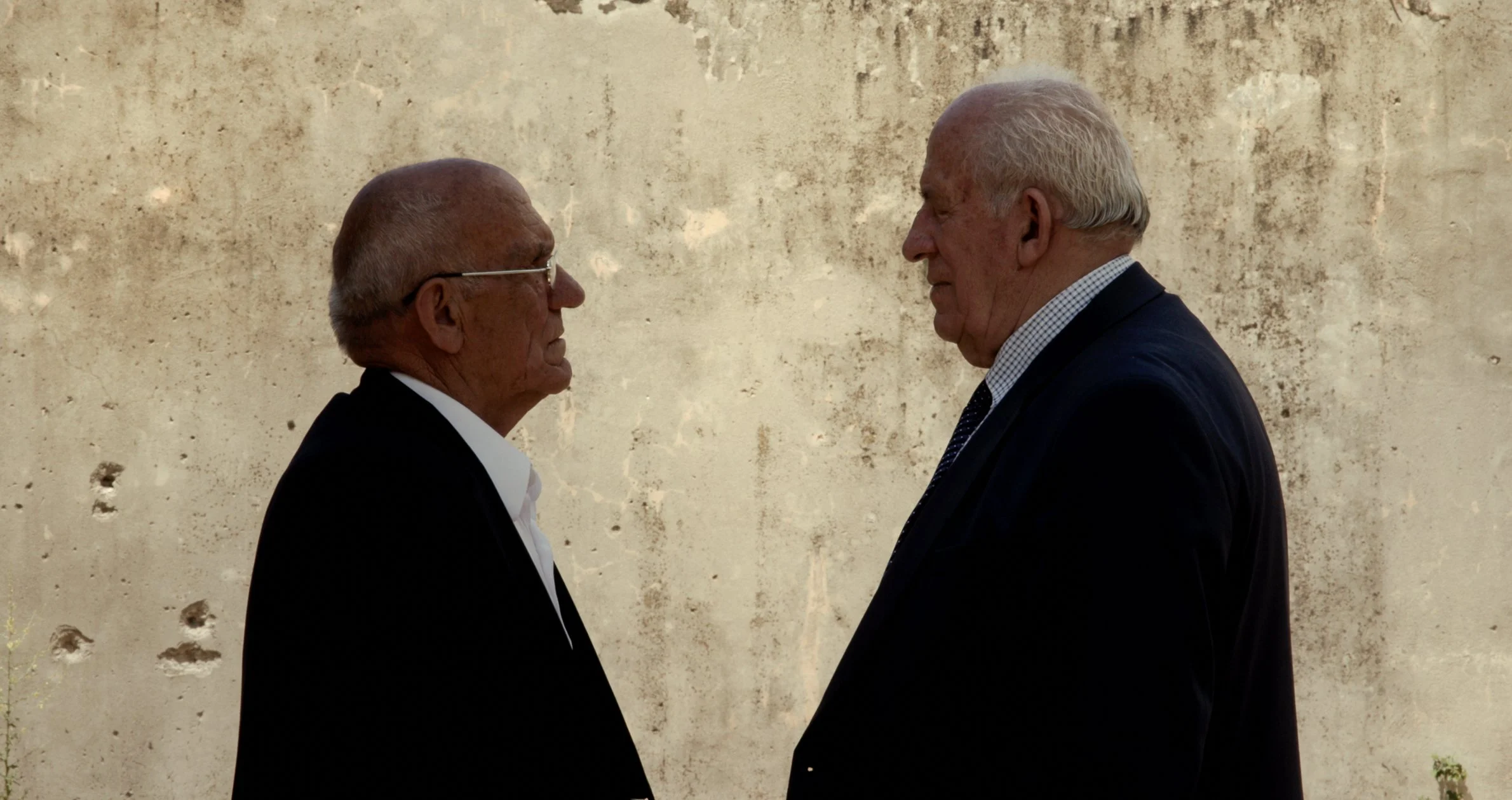
Key Voices & Characters
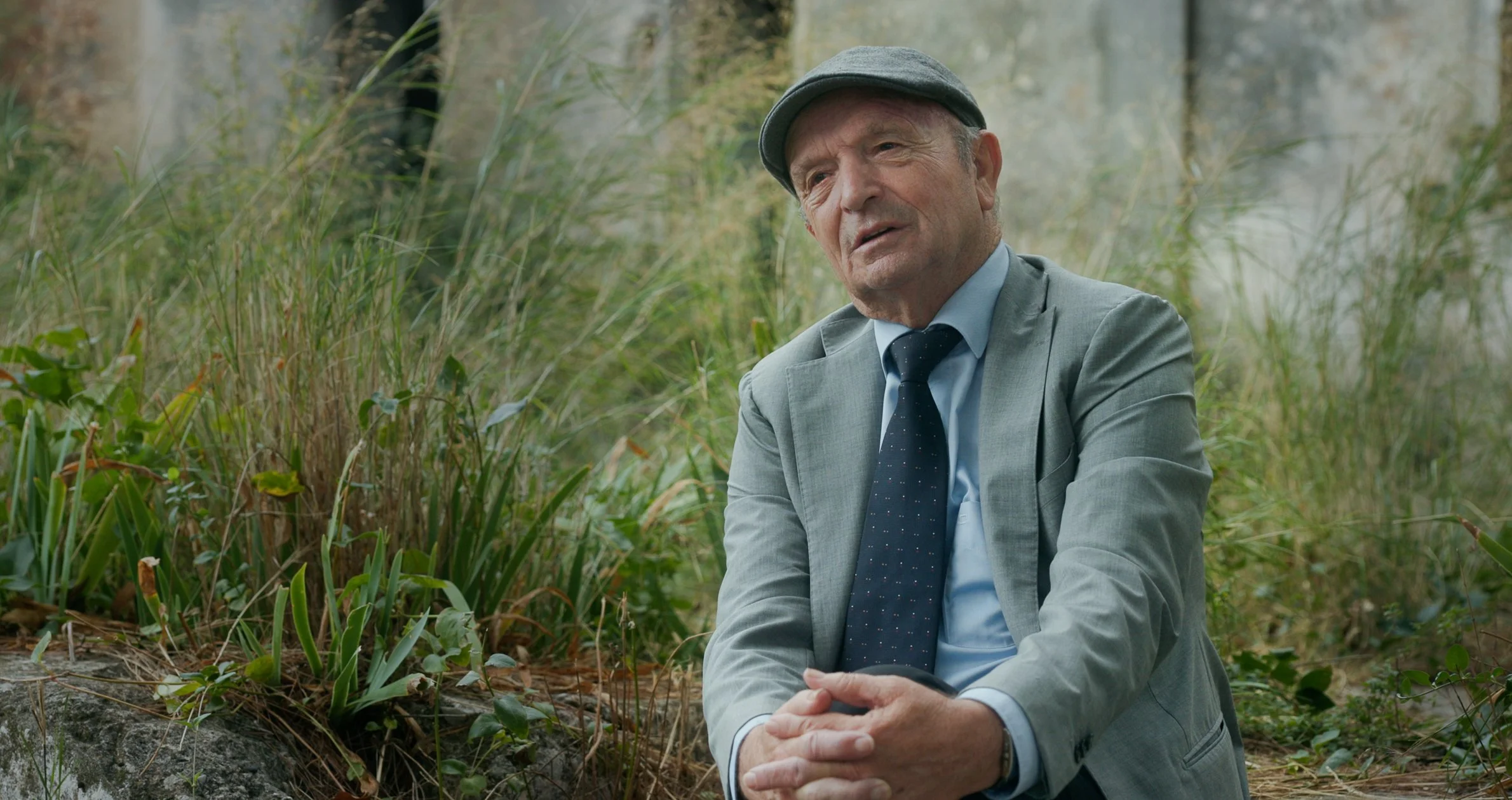
Simone Mirakaj
Internment SurvivorSimon Mirakaj was born into one of Albania’s anti-communist families during the earliest years of Enver Hoxha’s dictatorship. Only weeks after his birth, his family was interned by the communist regime and sent through a network of prisons and labor camps, including Berat, Tepelena, and later Savër and Gradishtë.
Mirakaj spent nearly his entire childhood and adulthood in internment, becoming one of the regime’s most visible living witnesses to Albania’s political persecution system. In later life, he became an outspoken advocate for historical memory and public reckoning with communist crimes, participating in documentaries, public forums, and transitional justice initiatives.
In The Silent Country, Simon’s testimony bridges personal memory and collective history. His recollections of childhood inside Tepelena — including images of cribs, hunger, and death — serve as some of the film’s most emotionally devastating moments.
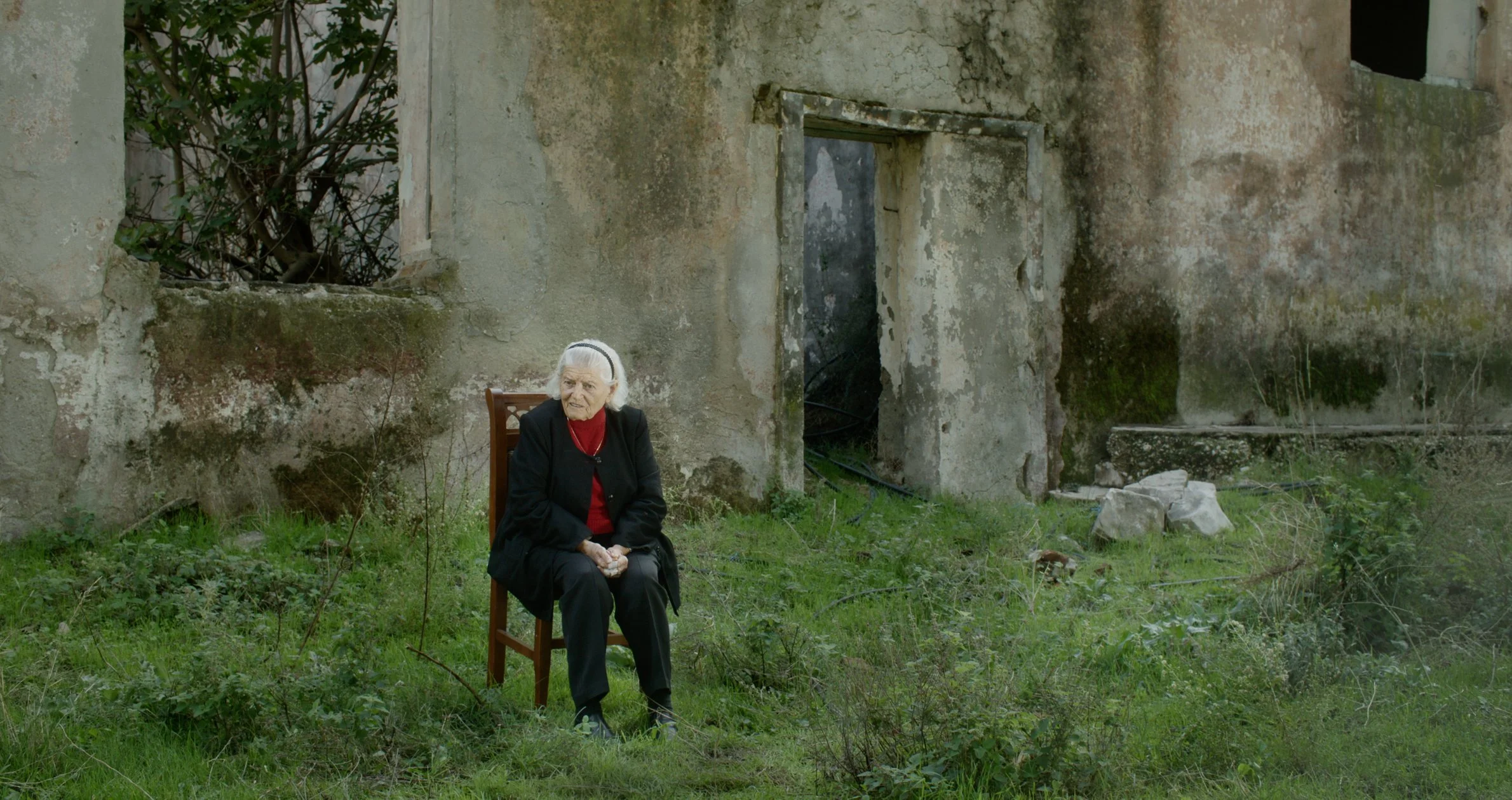
Klora Merlika
Internment SurvivorKlora (Klara) Merlika was one of the most important surviving witnesses of Albania’s communist internment camp system. Born into the prominent Mirakaj family of northern Albania, her childhood ended abruptly after her father and uncles fled the communist regime. As retaliation, the family was interned for decades in camps including Tepelena, Berat, and Savër.
Interned as a child and released only after nearly 45 years in exile, Merlika became a symbol of endurance and survival under dictatorship. Her life encapsulated the intergenerational punishment imposed on Albania’s “enemy families.” She later married Fatos Merlika, son of former Albanian Prime Minister Mustafa Merlika Kruja, further deepening the regime’s scrutiny of her family.
In The Silent Country, Klora’s testimony provides a deeply intimate perspective on childhood trauma, lost futures, and survival inside the camps. Her death in 2026 transformed her presence in the film into both testimony and memorial.
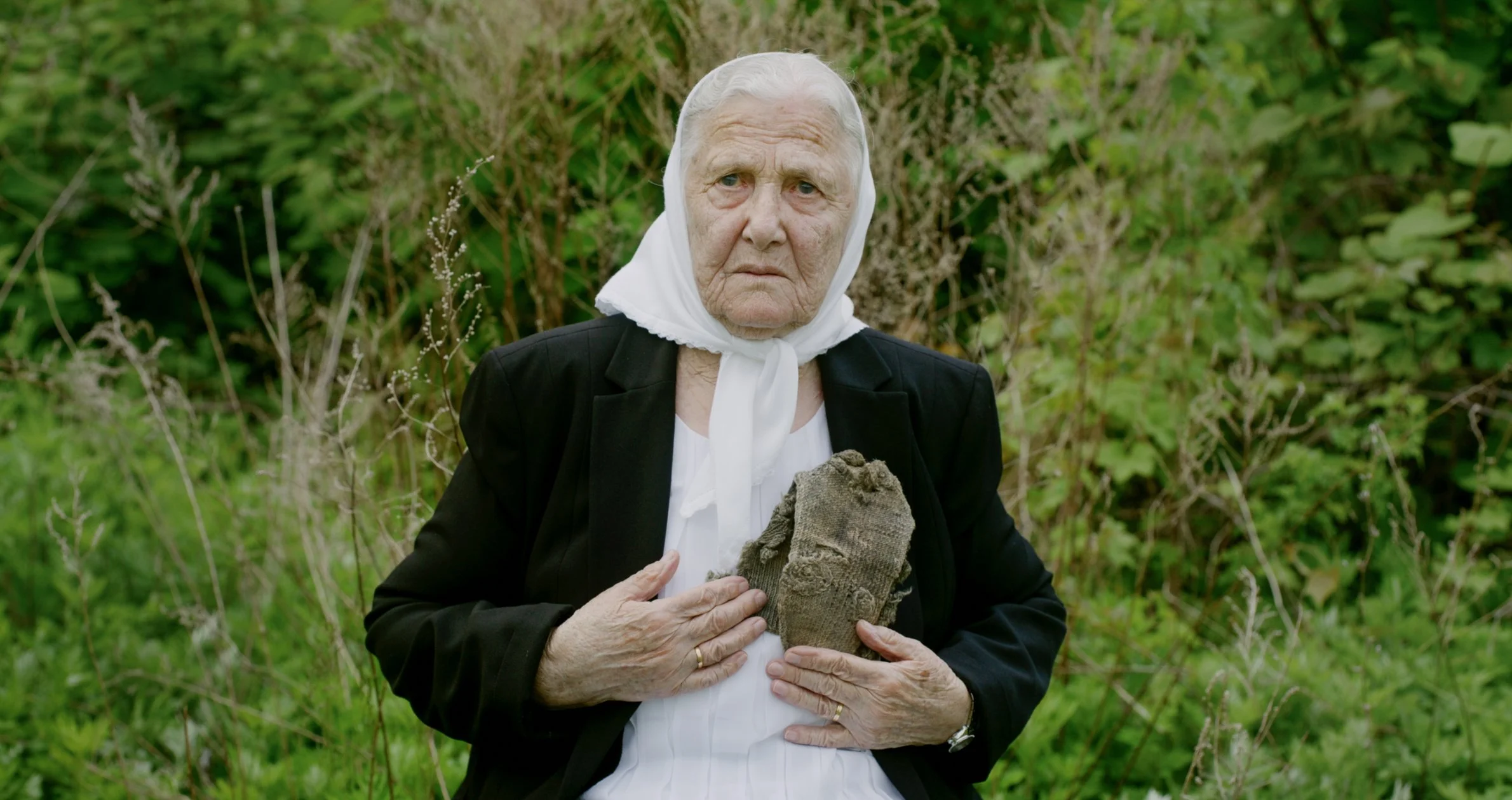
Mine Mulosmanaj
Internment SurvivorMine Mulosmanaj was only thirteen years old when her parents fled communist Albania to avoid imprisonment and execution. Before leaving, her father told her that she would now become “the mother” of her younger siblings. Days later, Mine and her siblings were arrested and sent through a chain of prisons and internment camps before arriving at Tepelena.
Inside the camp, Mine became caretaker, protector, and provider for her younger brother Shemsedin and her sisters while enduring starvation, forced labor, disease, and constant fear. Her life changed forever when Shemsedin was killed while playing with an unexploded wartime bomb inside the camp perimeter.
Mine’s testimony forms one of the emotional cores of The Silent Country. Decades later, she still carries the memory of gathering her brother’s remains in her dress and burying him herself. She preserved one of his socks for the rest of her life, treating it as a sacred object of mourning and remembrance.
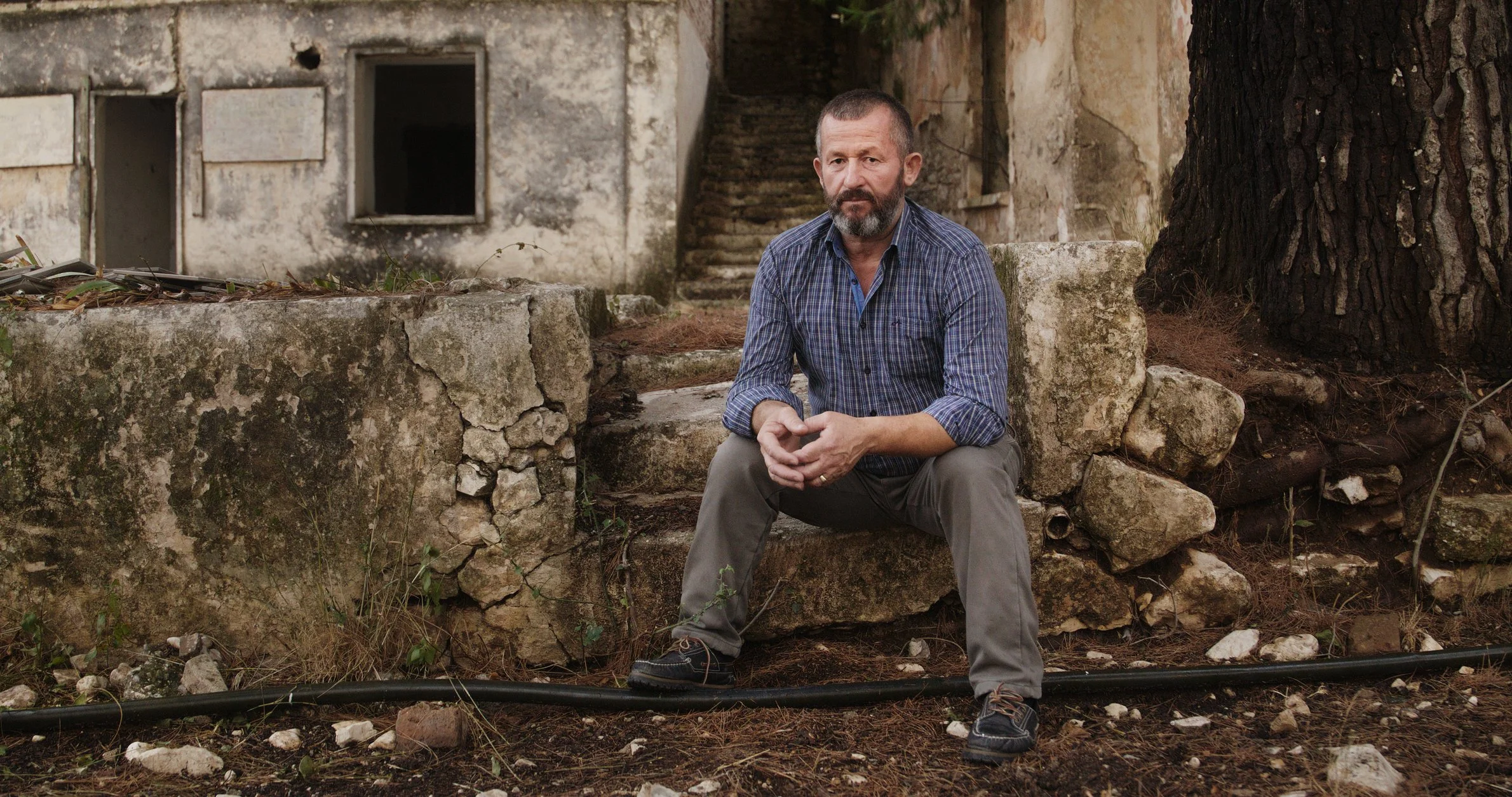
Arian Cela
Camp CaretakerArian Cela was a local resident of Tepelena who spent much of his life living beside — and unknowingly preserving — the ruins of the former internment camp. Like many in the region, he grew up with little formal knowledge of what the site had once been.
Over time, Cela became one of the unofficial caretakers of the abandoned camp grounds, using parts of the site for animals and agricultural work while slowly learning the true history of the location through researchers, survivors, and journalists.
In The Silent Country, Arian represents the complicated relationship between memory and forgetting in post-communist Albania. His life reflects the uneasy coexistence between ordinary rural life and a landscape saturated with buried trauma.
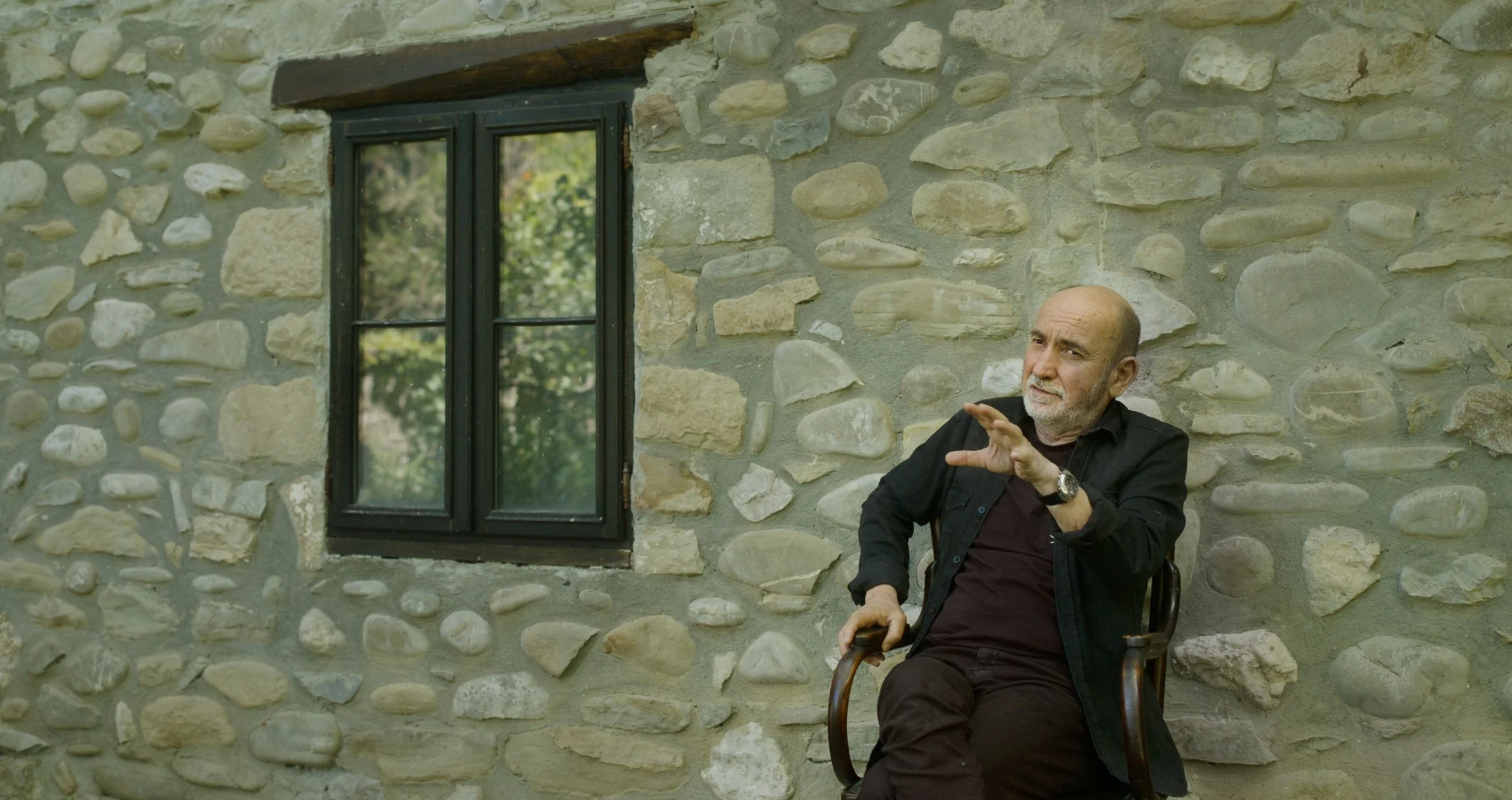
Fatos Lubonja
Ex Prisoner & DissidentFatos Lubonja is one of Albania’s most prominent intellectuals, dissidents, and critics of totalitarianism. The son of Todi Lubonja, former head of Albanian Radio Television, he was arrested in the 1970s for diary writings deemed hostile to the communist regime. He spent approximately 17 years in prison and labor camps under Enver Hoxha’s dictatorship.
Following the fall of communism, Lubonja emerged as a major public voice in Albanian political and cultural life, writing extensively about dictatorship, nationalism, corruption, and historical memory. His essays and memoirs about Albania’s prison system are widely regarded as foundational texts in understanding the country’s communist past.
In The Silent Country, Lubonja provides historical and philosophical context for the survivors’ testimonies, examining the persistence of silence and the unfinished reckoning with Albania’s authoritarian history.
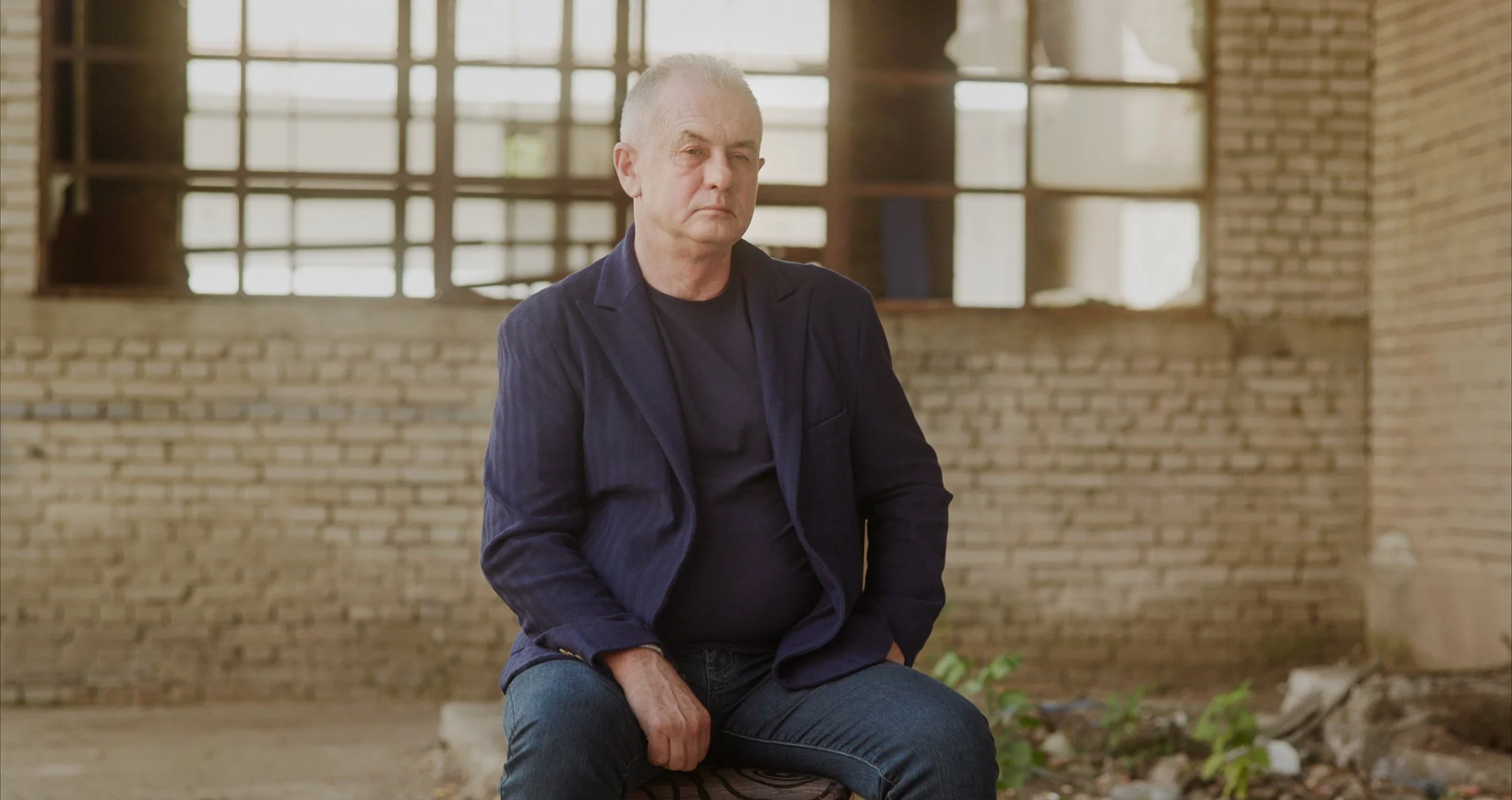
Gjon Radovani
ArchitectGjon Radovani is an Albanian architect and advocate involved in memorialization efforts surrounding Tepelena camp. His family history is directly tied to Albania’s communist persecution system, and his work has focused on preserving historical memory through architecture and public space.
Radovani was involved in efforts to transform Tepelena into a formal memorial and museum site, including the planting of the “Children’s Forest” — a symbolic installation of cypress trees commemorating children who died in the camp. Although the larger memorial project stalled, the forest remains one of the only physical gestures of remembrance at the site.
In The Silent Country, Radovani’s work highlights the tension between remembrance and neglect in modern Albania.
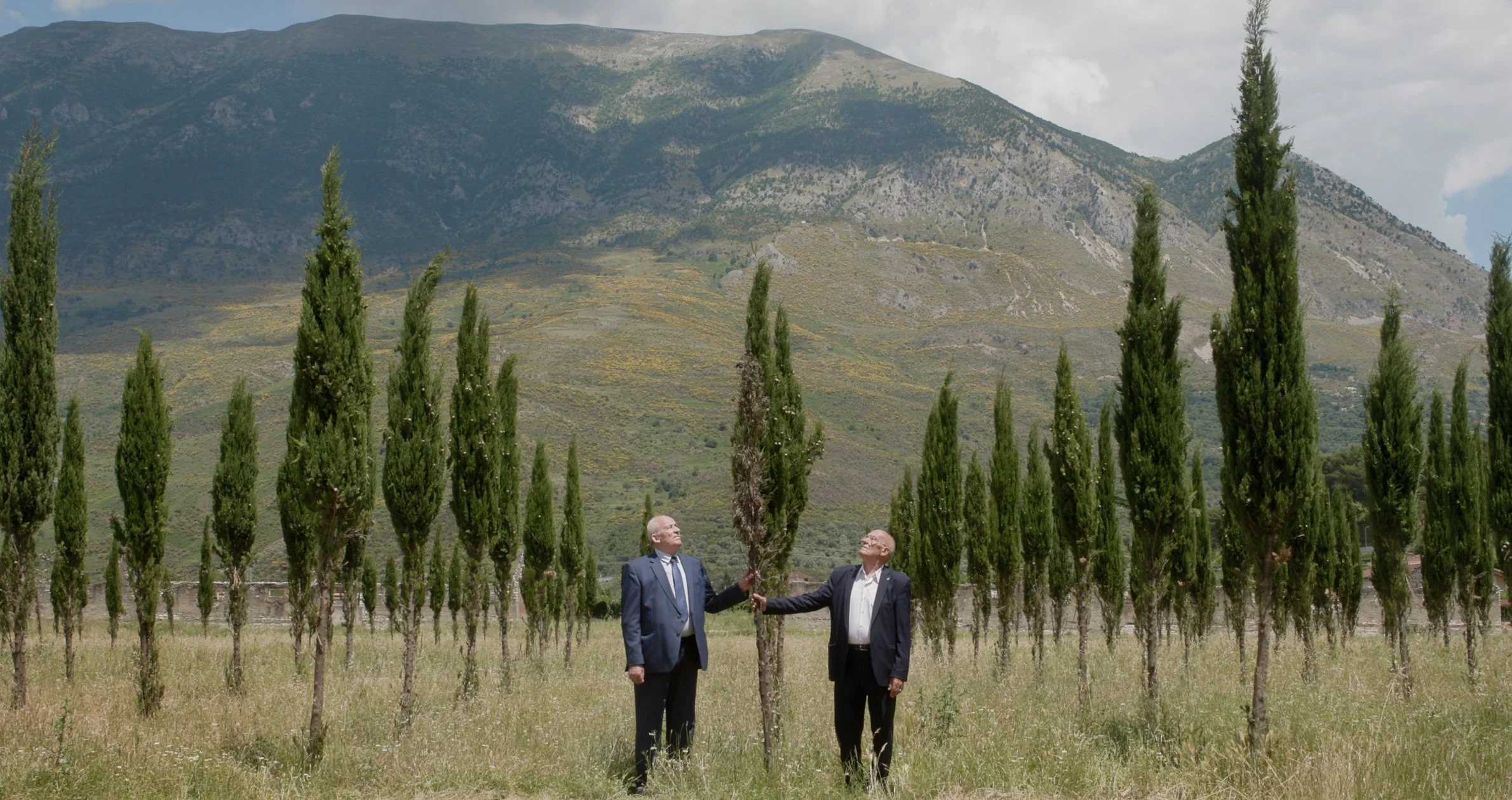
Filip & Gasper Gjonmarkaj
Internment Survivors
Filip and Gasper Gjonmarkaj are survivors of Tepelena Camp and members of the historically significant Gjonmarkaj family of Mirdita, a region heavily targeted by Albania’s communist regime due to its anti-communist resistance and Catholic identity.
As children, they were interned at Tepelena following mass arrests and executions connected to the communist crackdown after the assassination of Bardhok Biba in 1949. Their grandfather was executed by hanging, their father imprisoned for decades, and their family home destroyed.
In The Silent Country, Filip and Gasper recount childhood life inside Tepelena: hunger, disease, overcrowding, and terror. Their testimonies become central to the film’s short-form chapter surrounding the death of Shemsedin — a young boy killed by an unexploded wartime bomb while playing beside them inside the camp.
Decades later, both men continue returning to Tepelena, carrying vivid memories of the camp and advocating for its preservation as a historical memorial site.
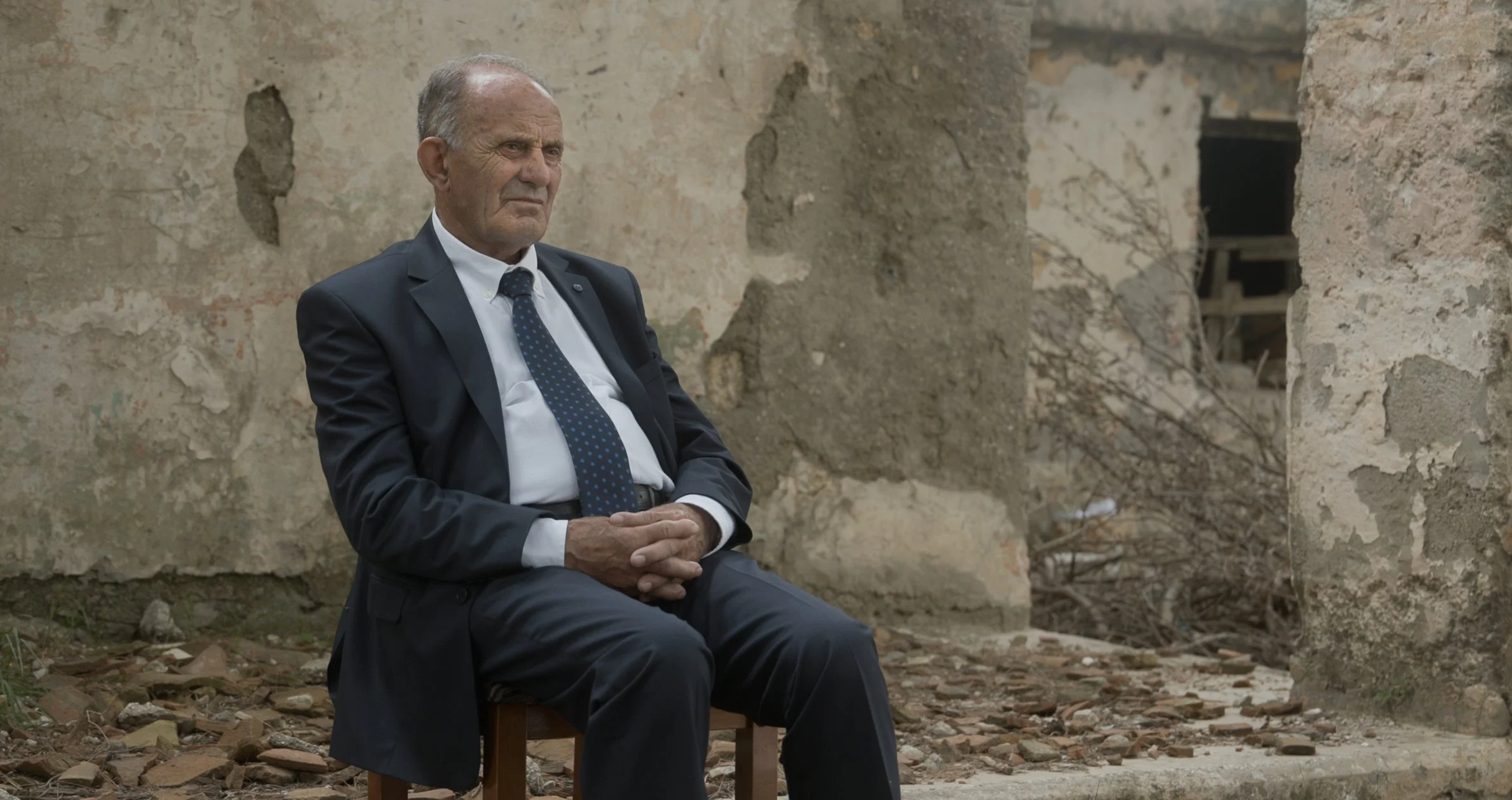
Gjon Marcu
Internment SurvivorGjon Marcu is one of the film’s key bridge witnesses. A child survivor from Mirdita, he helps explain how the communist regime transformed collective punishment into everyday life for entire families. Through his testimony, the film widens from the intimate stories of individual children and mothers to the larger deportation of Mirdita families after the killing of Bardhok Biba, tracing the route through Shpal, Rrëshen, Turan, and finally Tepelena.
In The Silent Country, Gjon Marcu is especially valuable because he joins historical scale to lived experience. He recalls the hunger, disease, mass child deaths, and river-edge burials that shaped the camp world, but he also gives the story a longer arc by describing what happened after release: destroyed homes, continued marginalization, and the feeling that a “second camp” awaited many survivors outside the barbed wire. His presence in the film helps connect Tepelena to the larger Albanian system of internment, exile, and unresolved memory.